The answer to whether you should add cardio is: it depends. Physiologically, men are prone to storing visceral fat, making cardiovascular activity vital for reducing the risks of heart disease. Women, conversely, benefit significantly from strength training to improve bone density and reduce osteoporosis risks.
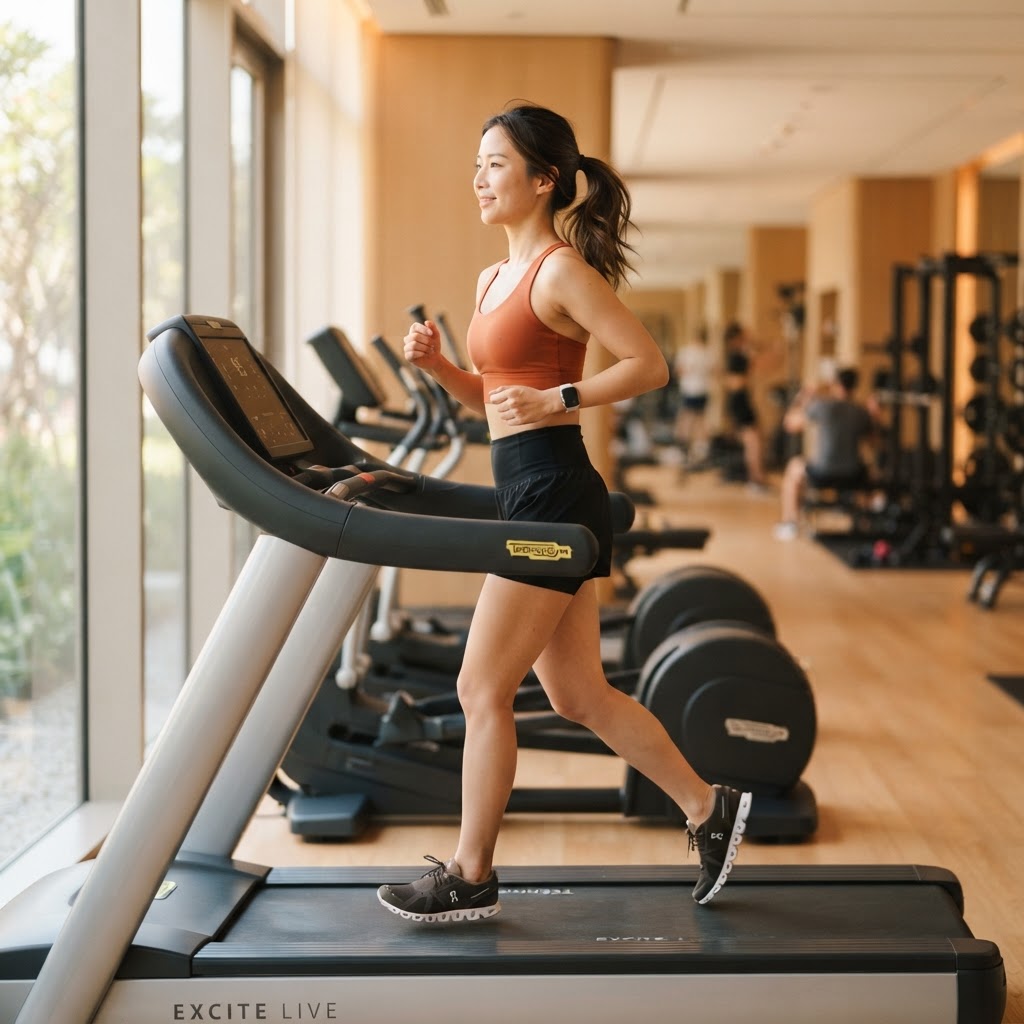
If you are running long distances but struggling to lose weight, it might be time to pivot. High-volume cardio without sufficient recovery often stalls fat loss. Before adding more sessions to your training routine
The first is your training age. Your experience dictates your progress rate. If you have been training consistently for a long time, your body has adapted to your current stress load, and if results have stalled, it likely needs a new stimulus rather than simply more cardio.
The second is plateaus. If you are already eating well and training regularly, adding cardio can help nudge that final percentage of fat loss once you hit a plateau. Opt for movements that are kind to your joints, such as inclined treadmill walking, outdoor walking, cycling, swimming, or skating. Beginners often see weight loss simply by adjusting their nutrition and increasing their general activity levels, while advanced trainees should look to these cardiovascular adjustments only when specific plateaus occur.
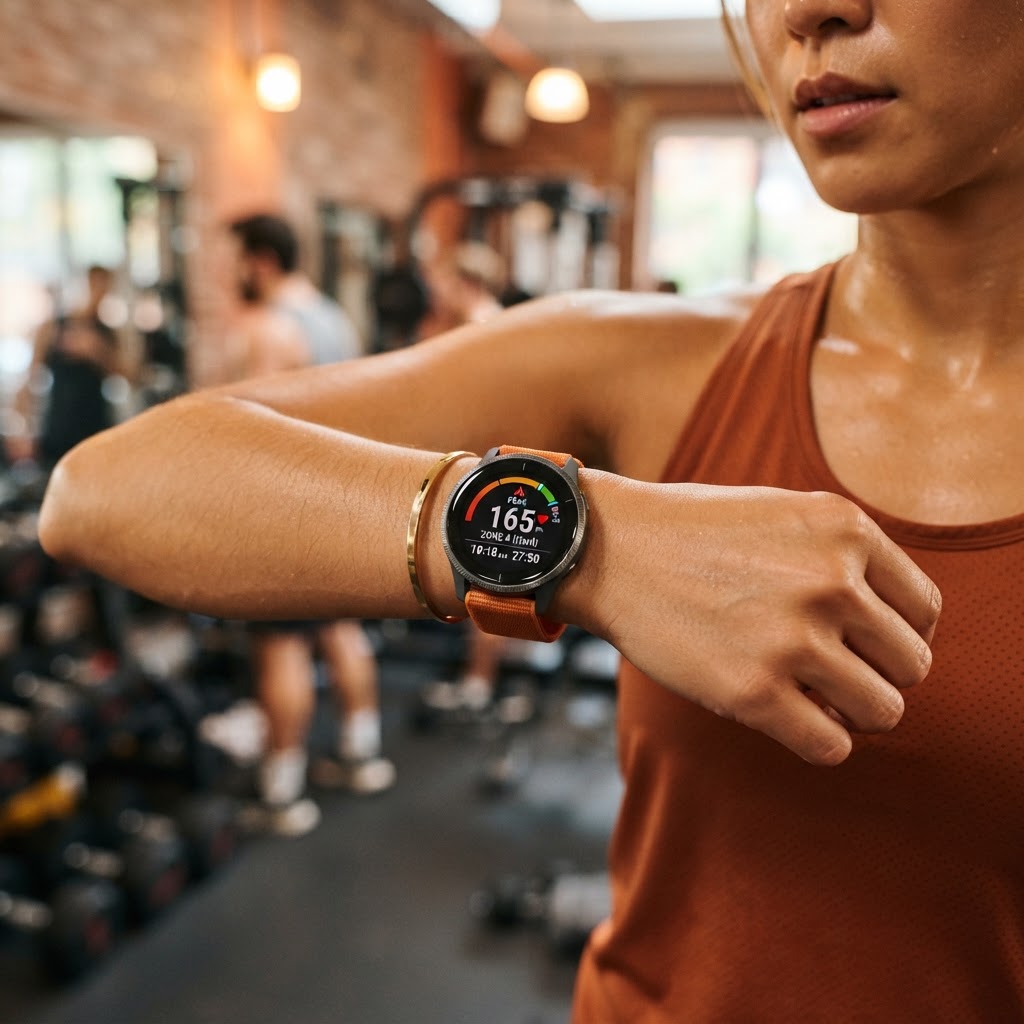
This is also where the conversation around intensity comes in, and Zone 2 has become the trendy answer. Zone 2 refers to low-intensity exercise kept just below your lactate threshold, the effort where you can still hold a conversation but barely. The popular claim is that this is the optimal intensity for improving mitochondrial function and fat oxidation, and by extension, long-term health. That logic mostly comes from observing elite endurance athletes, who log enormous volumes of Zone 2 work and happen to possess exceptional mitochondrial capacity.
A 2025 narrative review in Sports Medicine, titled "Much Ado About Zone 2," pushes back on this. The authors argue that the broad public endorsement of Zone 2 contradicts a large body of evidence showing that higher-intensity exercise is at least as effective, and often more effective, for improving mitochondrial capacity and cardiometabolic health, especially when training volume is low. Their conclusion is blunt: current evidence does not support Zone 2 as the optimal intensity, and prioritizing intensities above Zone 2 may be more important for maximizing health benefits when you do not have hours to train.
This matters for busy Singaporeans. If you are juggling back-to-back meetings and family commitments, the idea that you must find 60 minutes of slow cardio to be healthy is discouraging, and it is not well supported by the research.
So where do we land? Both intensities work, and the right choice depends on the person in front of us. Zone 2 has real merits: it sits in the fat-burning zone, it is kind to your joints, and the injury risk is low, which makes it sustainable and easy to stack on top of strength training without burning you out. Higher intensity has different merits: it triggers EPOC, the elevated calorie burn that lingers after you stop, and it delivers cardiometabolic benefits in a fraction of the time. The trade-off is a higher injury risk and a greater recovery demand.
This is where the "workout snack" idea comes in. If your schedule genuinely cannot accommodate a 60-minute session, five minutes of higher-intensity work, done well, can meaningfully move the needle. A few hard rounds on an assault bike, a brisk stair climb, or a short interval block is not a replacement for a full program, but it is far better than skipping the day entirely. Consistency built in small doses beats an all-or-nothing plan that you abandon by Wednesday.
Recovery is not just about sleep; it is about managing stress, both mental and environmental. If you aren't training for a specific competition, adding excessive cardio may hinder your progress. Ensure your nutrition is supporting your output. You know you aren't recovering well if you feel persistently sore, if your motivation to train hits rock bottom, if you experience poor sleep quality, if your resting heart rate remains elevated, or if you are consistently irritable.
A more recent question worth asking is whether sitting all day remains harmful if you walk enough. A large prospective cohort published in the British Journal of Sports Medicine tracked 72,174 adults over roughly seven years using accelerometer-measured activity, and the findings are worth your attention.
The short answer is yes, prolonged sitting is still harmful, but much less so if you move enough. Higher daily step counts substantially reduced all-cause mortality and cardiovascular disease, and this held true even among people who sat more than 10.5 hours a day. The sweet spot sat around 9,000 to 10,500 steps a day, compared with a baseline of about 2,200 steps. Perhaps the most practical finding was that even 4,000 to 4,500 steps a day already achieved roughly half of the maximum observed benefit. In other words, going from 2,000 to 4,000 steps has a much larger impact than going from 10,000 to 12,000.
Does this mean sitting no longer matters? No. The authors specifically state that sitting less is still preferable, but daily movement is the stronger predictor of health. Walking appears to offset a substantial proportion of the excess risk associated with prolonged sitting.
So what does this mean for us? Step count is important and should not be underestimated for longevity. The damage from long hours of sitting can be meaningfully offset through a combination of strength training and simply walking more, and understanding the difference between both matters so we do not overstate the benefits of either alone. A walking pad has been one of the better investments this year. An inexpensive one hundred dollars on Shopee helps increase step count on rainy days, or when it is simply too hot to walk outside. Walking the walk, as they say, and sometimes small habits like this really do go a long way.
If there is one thread running through all of this, it is that the goal is not to find the perfect protocol but to build habits that last. The research keeps moving, the terms keep changing, but the people who get results are the ones who show up consistently and let the small wins compound. A few extra steps a day, a five-minute workout snack when life is busy, a walking pad under the desk on a rainy afternoon, a strength session you almost skipped but did not. None of it is glamorous, and none of it is wasted. Never underestimate the small wins. They are what longevity is actually built on.